A single bolt of lightning carries enough energy to vaporize sand into glass. That same raw, unpredictable force is exactly what slot developers have tried to bottle into reel mechanics for years, and few themes translate chaos into gameplay as naturally as a thunderstorm. The lightning strike slot game takes this idea and runs with it, pairing a storm-drenched visual world with a reel engine designed to produce sudden, dramatic swings in fortune. This is not a machine for players who want gentle, steady payouts. It is built for those who want the screen to crackle, the multipliers to stack, and the tension to build with every spin. Understanding how this game works, what separates it from ordinary slot titles, and why its volatility profile matters can mean the difference between playing it casually and playing it with a real strategy. The sections ahead break down the mechanics, the math, the risks, and the realistic expectations a player should carry into a session, so the storm on screen never catches anyone off guard.
What Is the Lightning Strike Slot Game?
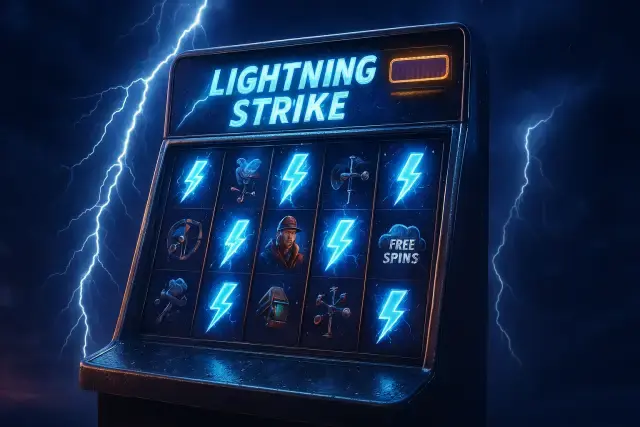
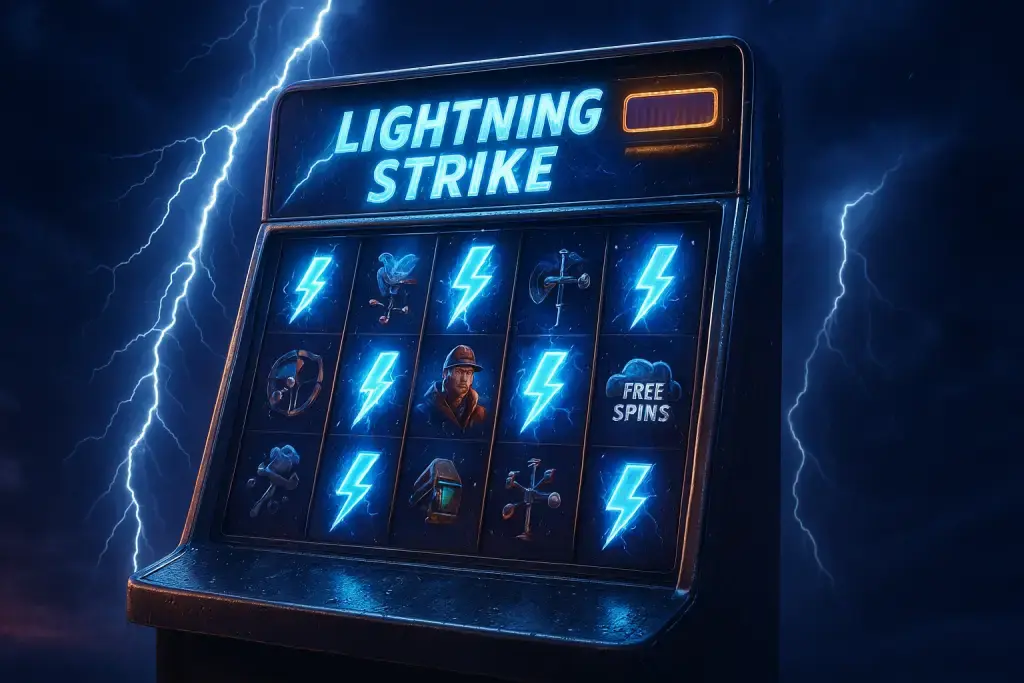
At its core, the lightning strike slot game is a video slot built around a single atmospheric conceit: a storm rolling across the reels, triggering bonus mechanics every time lightning touches down. Unlike slots that use weather as mere decoration, this title ties the thunderstorm theme directly into its paytable logic. Lightning bolts act as wild symbols, multiplier triggers, or random event activators that can strike at any point during a spin, converting ordinary symbols into higher-value combinations without warning.
The appeal of this format lies in its unpredictability. Because lightning strikes are randomized rather than tied to a fixed pattern, no two sessions feel identical. One spin might pass quietly; the next might see three or four strikes cascade across the board, multiplying wins exponentially. This randomness is deliberate design, meant to mirror the real unpredictability of a storm rather than a scripted bonus round.
Core Theme and Visual Design
Visually, the thunderstorm themed slot leans into dark, moody backdrops: rolling clouds, flickering sky, and reel symbols that often include storm-chasers, weather instruments, or stylized lightning bolts rendered in electric blue and white. Sound design typically reinforces the atmosphere, with low rumbling thunder building tension before a strike animation hits the reels. This sensory pairing is not incidental. Studios lean on this kind of audiovisual buildup because it reinforces the anticipation that high volatility slot mechanics depend on. The player is meant to feel the storm gathering before the payout decision is revealed, which heightens engagement during dry spells between wins.
How It Differs From Standard Slot Titles
Where a standard fruit machine or classic three-reel slot relies on fixed paylines and modest, frequent payouts, the lightning strike slot game is engineered around infrequent but outsized rewards. Standard slots prioritize session length and steady reinforcement. This title prioritizes peak moments. The difference shows up in almost every design choice: the reel count, the way symbols are weighted, the frequency of bonus triggers, and the mathematical model behind the paytable. A player moving from a conventional slot to this one should expect longer stretches without significant wins, offset by moments where a single spin can multiply the stake many times over.
Understanding Megaways Mechanics in a Thunderstorm Setting
The megaways slot machine format, originally developed as a licensed mechanic by a specialist studio, replaces fixed reel structures with a dynamic system where the number of symbols on each reel changes with every spin. Instead of a static grid, each reel can display anywhere from two to seven (sometimes more) symbols, meaning the total number of ways to win fluctuates constantly. In a thunderstorm-themed version, this mechanic takes on thematic weight: the shifting reel heights mirror the shifting intensity of a storm, visually and mathematically reinforcing the unpredictability the theme promises.
This matters practically because the number of ways to win can reach into the tens of thousands on a given spin, dramatically increasing the odds of landing at least a partial combination, even if the individual combination payouts remain modest without a multiplier trigger. Lightning strikes in this context often interact directly with the megaways grid, expanding reels further or adding wild positions that increase the ways-to-win count mid-spin.
Reel Structure and Ways-to-Win Explained
In a typical megaways slot machine, each reel is assigned a random height at the start of a spin, and the total ways-to-win figure is calculated by multiplying the number of symbols across all reels together. A thunderstorm-themed implementation often ties the reel height randomization to the storm's intensity, with cascading animations showing reels "charging up" before a spin resolves. The practical effect is a game where the raw mathematical potential for combinations is always shifting, and players are never looking at the same structural odds twice in a row.
Cascading Reels and Multiplier Chains
Many megaways titles pair the mechanic with a cascading or "tumbling" reel feature, where winning symbols disappear and new ones drop in to fill the gaps, potentially creating chain reactions of wins from a single spin. When combined with a thunderstorm theme, this cascade is often framed as successive lightning strikes clearing the board, with each cascade adding to a multiplier that resets only when no further wins occur. This chain mechanic is central to why the format can deliver dramatic win sequences: a modest initial combination can snowball into a payout many times larger purely through cascading momentum.
Volatility and Risk Profile: What High Volatility Really Means Here
Volatility describes how a slot distributes its payouts over time, and understanding it is essential before spinning a single reel. A high volatility slot pays out less frequently than a low or medium volatility game, but when it does pay, the amounts tend to be substantially larger relative to the stake. The lightning strike slot game sits firmly in this category, and the thunderstorm theme is not just cosmetic here; the entire mechanic is built to produce long quiet stretches punctuated by sudden, outsized strikes, much like real weather patterns.
This volatility profile shapes the entire player experience. Bankroll management becomes far more important than with gentler titles, since a session can run through a stake without any meaningful return before a single trigger changes the entire balance. Players accustomed to frequent small wins on low volatility machines often find the dry spells on this title uncomfortable until they adjust their expectations and betting pace accordingly.
Why Volatility Shapes the Player Experience
Volatility is not simply a technical label; it governs the emotional rhythm of play. On a high volatility slot, each spin carries genuine tension because the gap between a losing spin and a session-defining win is narrow and unpredictable. This is precisely why the thunderstorm theme fits the mechanic so well: the sense of an approaching storm, building through sound and visual cues, gives players a narrative frame for the waiting period between major hits. Without that framing, the quiet stretches could feel like a flaw. With it, they feel like anticipation.
Comparing Volatility Levels
| Volatility Level | Win Frequency | Typical Payout Size | Best Suited For |
|---|---|---|---|
| Low | Frequent | Small, steady | Players wanting extended playtime with minimal swings |
| Medium | Moderate | Balanced mix of small and occasional larger wins | Players wanting variety without extreme risk |
| High | Infrequent | Large, concentrated | Players prepared for longer losing stretches in pursuit of bigger rewards |
This table illustrates why the lightning strike slot game is positioned where it is: it trades consistency for ceiling, a trade that only suits a specific kind of player temperament and bankroll discipline.
Progressive Jackpot Mechanics and Long-Term Payout Potential
Beyond the base game, many thunderstorm-themed titles in this category layer in a progressive jackpot slot structure, where a portion of every wager across a connected pool of players contributes to a growing jackpot fund. Unlike fixed jackpots, which pay the same capped amount regardless of how long the game has been played, a progressive jackpot grows continuously until someone triggers the winning condition, at which point it resets to a baseline value and begins accumulating again.
In a lightning-themed context, the jackpot trigger is frequently tied to the storm mechanic itself: a rare "direct strike" event, an extended cascade chain, or a bonus round culmination that only becomes reachable under specific, statistically rare circumstances. This design choice reinforces thematic consistency while giving the jackpot pursuit a narrative payoff rather than feeling like an arbitrary bolt-on feature.
How the Jackpot Pool Grows and Resets
The mechanics behind a progressive jackpot slot are straightforward in principle: a small percentage of each bet is diverted into the jackpot fund rather than the standard return-to-player pool. Over time, across many players and many spins, this fund can grow substantially before it is won. Once triggered, the counter resets to its seed value, and accumulation begins again from that baseline. Because the trigger condition is typically random and independent of bet size beyond a minimum qualifying wager, the jackpot can theoretically be hit on any properly qualifying spin, though the odds of this happening on any single spin remain low by design.
Realistic Expectations Around Jackpot Wins
It is worth approaching progressive jackpots with a grounded mindset. The pool's size can look dramatic, but the odds of triggering it are deliberately long, since the entire system depends on a large number of contributing players and spins to make the jackpot fund meaningful in the first place. Treating the jackpot as a rare bonus possibility rather than a realistic short-term goal keeps expectations aligned with how these systems actually function.
Key Features and Bonus Mechanics to Know Before Playing
Several recurring mechanics define how a thunderstorm-themed megaways title plays in practice, and recognizing them before a session begins helps players read the game state accurately rather than reacting to it blindly.
- Wild lightning symbols that substitute for most other symbols and often carry an attached multiplier value.
- Random strike events that can occur independently of the paytable, converting ordinary symbols or adding wilds mid-spin.
- Cascading or tumbling reels that allow a single spin to produce multiple consecutive win sequences.
- Free spin rounds typically triggered by scatter symbols, often featuring increased strike frequency or escalating multipliers.
- A progressive jackpot meter, visible during play, that tracks the current pool size and qualifying bet requirements.
Each of these mechanics interacts with the others. A free spin round, for instance, often increases the probability of lightning strikes occurring, which in turn increases the chance of a cascading multiplier chain, which can occasionally intersect with the jackpot trigger condition. Reading the game as a connected system, rather than a set of isolated features, gives a clearer sense of why certain spins feel more charged than others.
Strategic Considerations for Players
Because the lightning strike slot game is built around high volatility and long dry stretches, strategy here is less about predicting outcomes and more about managing exposure to variance. No betting pattern changes the underlying randomness of the mechanic, but disciplined bankroll approaches can meaningfully change how long a player can engage with the game before depleting their stake.
Bankroll Management for High Volatility Play
Setting a fixed session budget before playing is the single most practical safeguard against the long losing stretches this format can produce. Because payouts cluster around infrequent large hits rather than steady small wins, betting a smaller fraction of total bankroll per spin extends playtime and increases the statistical opportunity to reach a triggering event, without requiring a larger total budget. Players who size their bets against the full depth of the game's volatility, rather than against a hoped-for immediate win, tend to have a more sustainable relationship with the format.
Common Mistakes Players Make
- Chasing losses by increasing bet size after a dry stretch, which accelerates bankroll depletion rather than improving odds.
- Misjudging the game's volatility as a malfunction when wins feel absent over an extended session.
- Ignoring the minimum qualifying bet for progressive jackpot eligibility, unknowingly playing without a chance at the top prize.
- Treating free spin rounds as guaranteed profit rather than another volatility-exposed segment of play.
Avoiding these patterns does not guarantee a win, since the mechanic remains fundamentally random, but it does prevent the kind of self-inflicted losses that come from misunderstanding how the game is built to behave.
Questions and Answers
Is the lightning strike slot game suitable for players with a small bankroll?
It can be played with a small bankroll, but the high volatility design means smaller budgets will experience dry stretches more acutely. Reducing bet size per spin relative to total bankroll is the most practical adjustment for players in this position.
Does the megaways mechanic increase the actual odds of winning on each spin?
The megaways structure increases the number of ways symbols can combine into a win, which raises the frequency of partial or small combinations landing. It does not change the underlying volatility or guarantee larger payouts, since the paytable and strike mechanics still govern overall return distribution.
How is the progressive jackpot different from a fixed top prize?
A fixed top prize pays a set amount regardless of how long the game has run, while a progressive jackpot slot grows continuously from a percentage of every qualifying wager until it is triggered, then resets. This means the jackpot amount at any given moment depends on recent play activity across the connected pool rather than a static figure.
Why do thunderstorm themes pair so often with high volatility slots?
Storm imagery naturally reinforces the rhythm of building tension followed by sudden release, which mirrors how high volatility mechanics distribute long quiet periods and sudden large payouts. The theme gives narrative shape to a mathematical pattern that might otherwise feel abrupt or confusing to players.
What should a player check before relying on the free spin round for a big win?
Check whether the free spin round carries increased strike frequency or multiplier escalation compared to the base game, since these details determine whether the round genuinely shifts the odds in the player's favor or simply extends play without materially changing volatility.